

Moisture Meter + Gallon Jugs
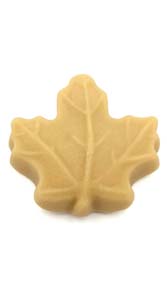
Maple candy is our most challenging product to make consistently. We can control dozens of variables during production, but once the candy leaves our hands, storage conditions can make a big difference.
The biggest factor is moisture. Too little, and the candy becomes rock hard. Too much, and it turns soft and mushy—or, in the worst case, develops mold. We’ve worked to keep our drying conditions and timing consistent, but we’ve learned that those steps alone aren’t enough.
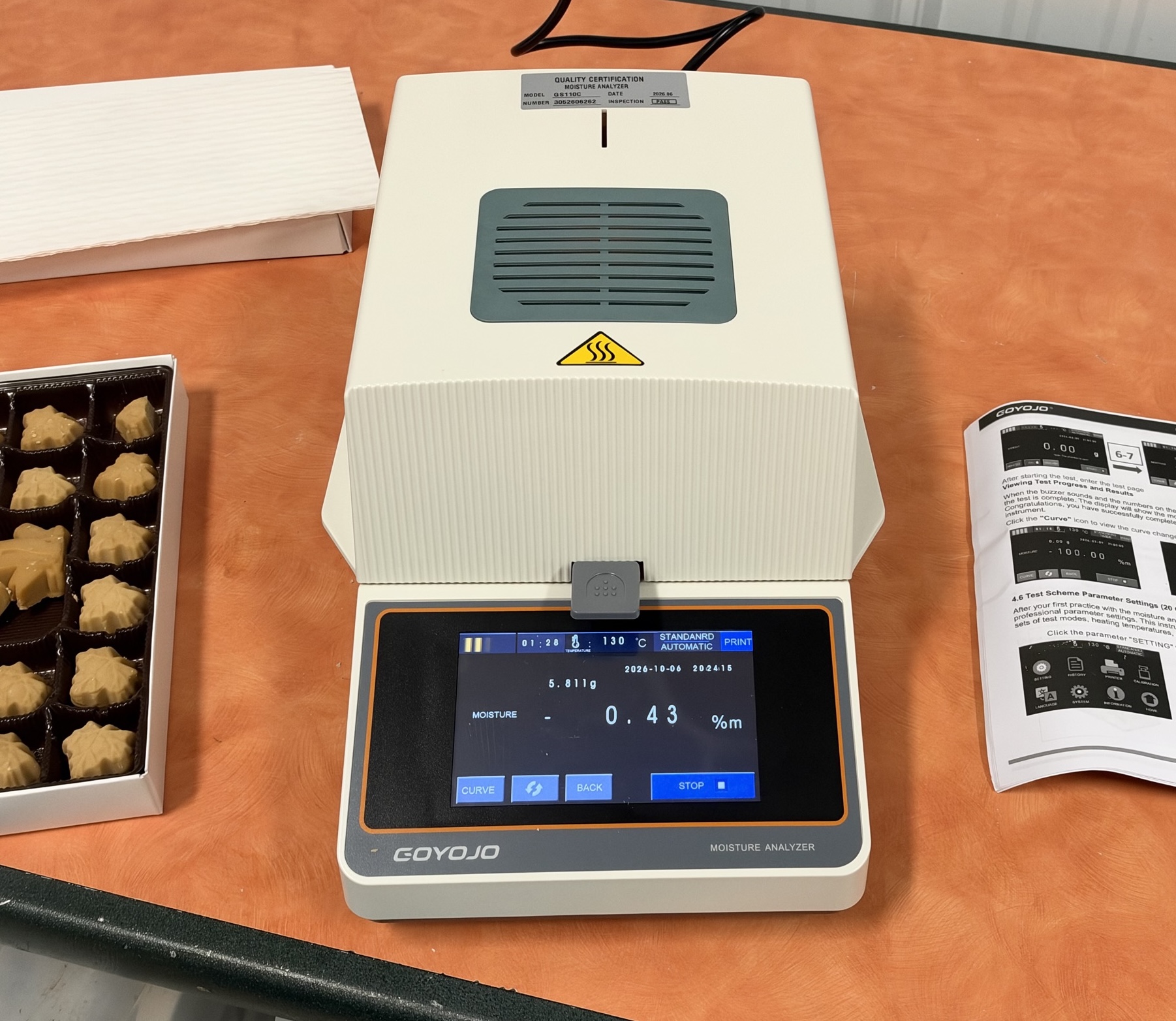
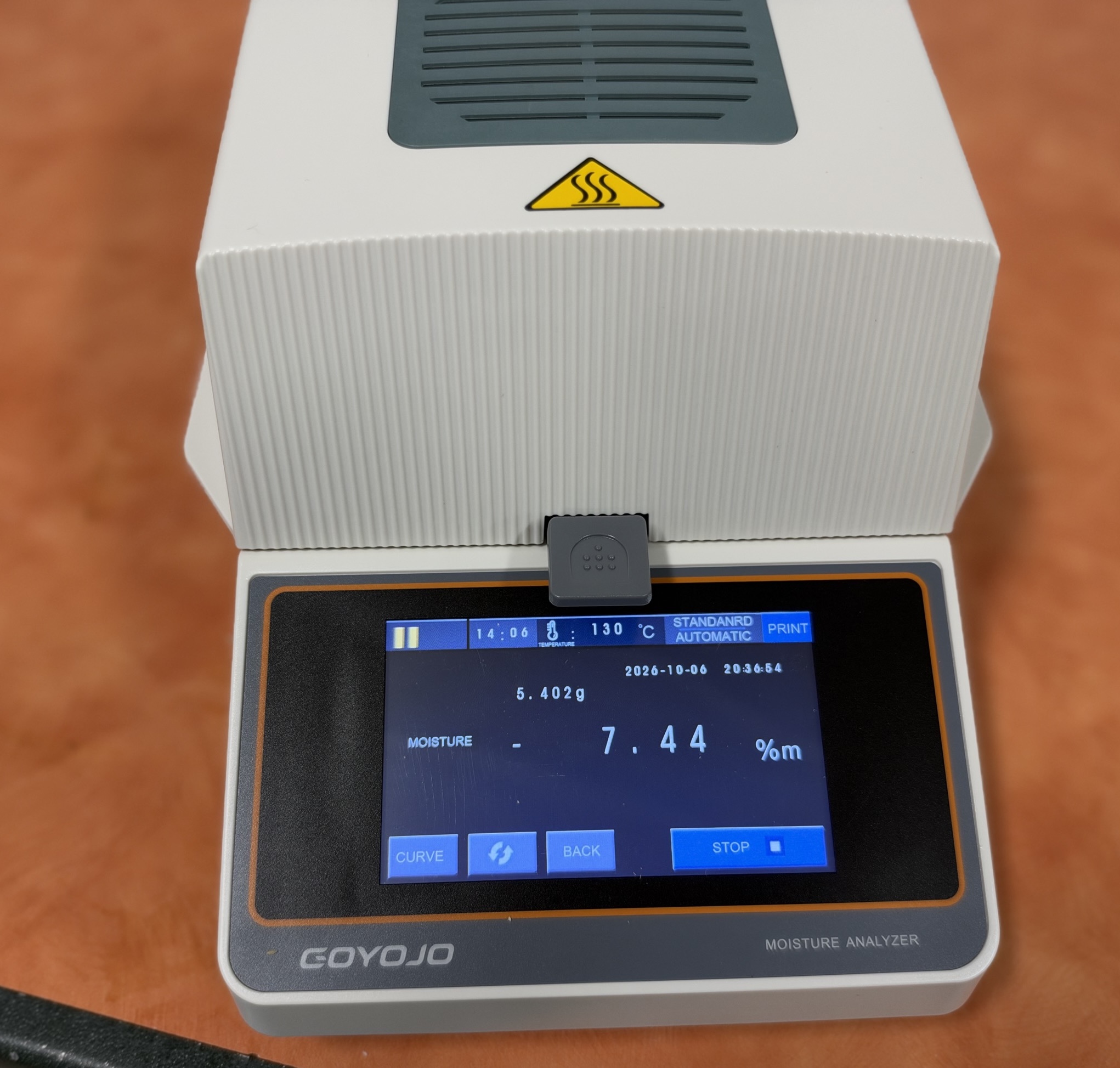
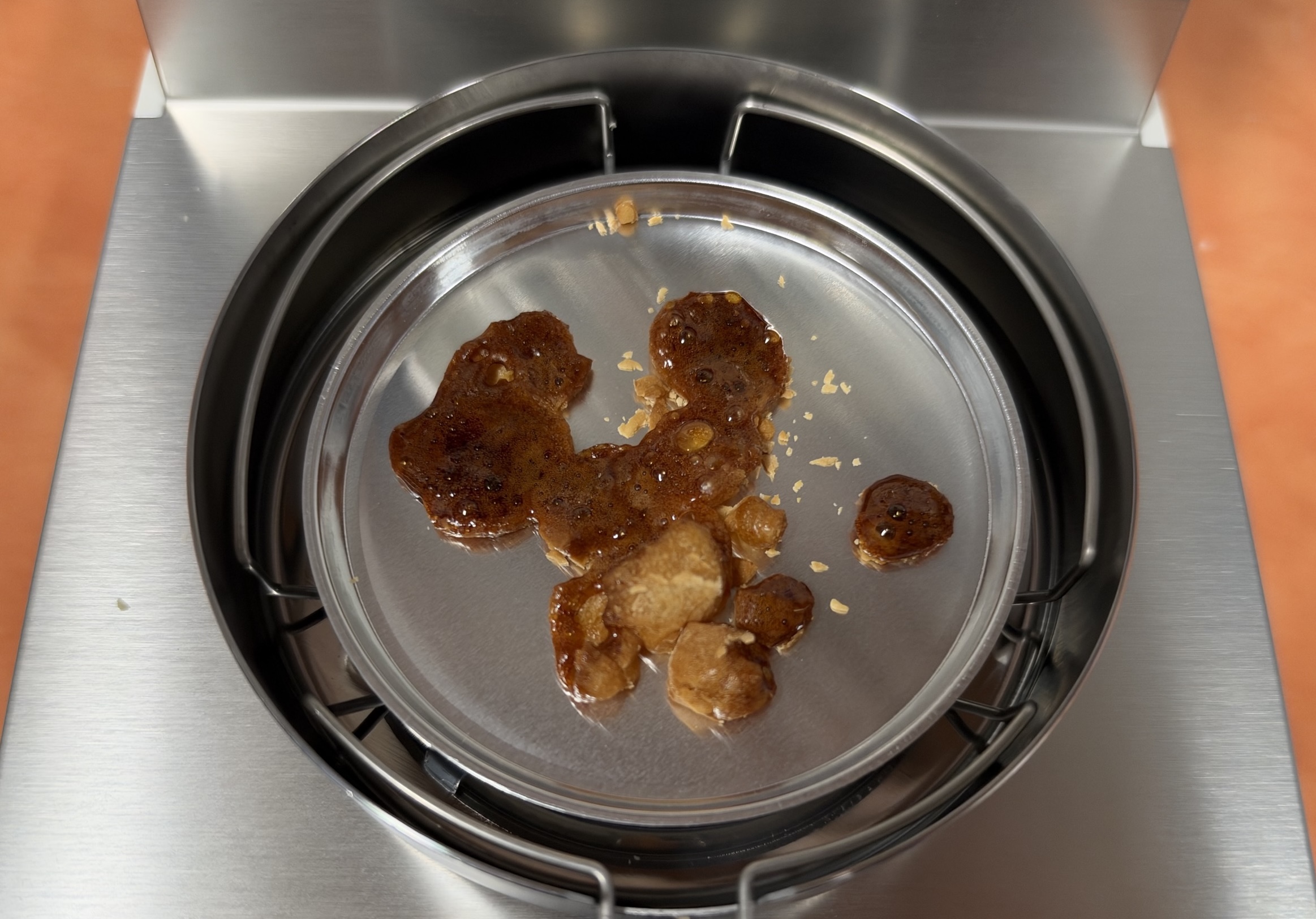
Last week, we bought a moisture meter to help take some of the guesswork out of the process. It weighs a small sample, uses heat to evaporate the water, and calculates the moisture content from the change in weight.
Our early readings show that candy fresh off the machine has a moisture content of about 12–13%, while stale candy is closer to 5%. We think the sweet spot is somewhere around 8–9%. We’ll refine that target over the next few batches and build these measurements into our regular process. The goal is simple: more consistent maple candy in every box.
We also have a packaging update for our maple syrup customers. Tariffs on Canadian goods have created uncertainty in the maple industry, and we’re feeling the effects in our jug supply.
This summer, our jug manufacturer was sold to a major Canadian maple equipment supplier. The company has also been switching from screen printing to labels built directly into the molds. Between that production transition and tariffs on empty jugs—even though the raw plastic is American-made—our gallon jug order from February still hasn’t arrived. Bulk maple syrup from Quebec isn’t subject to those tariffs, but the empty containers are.
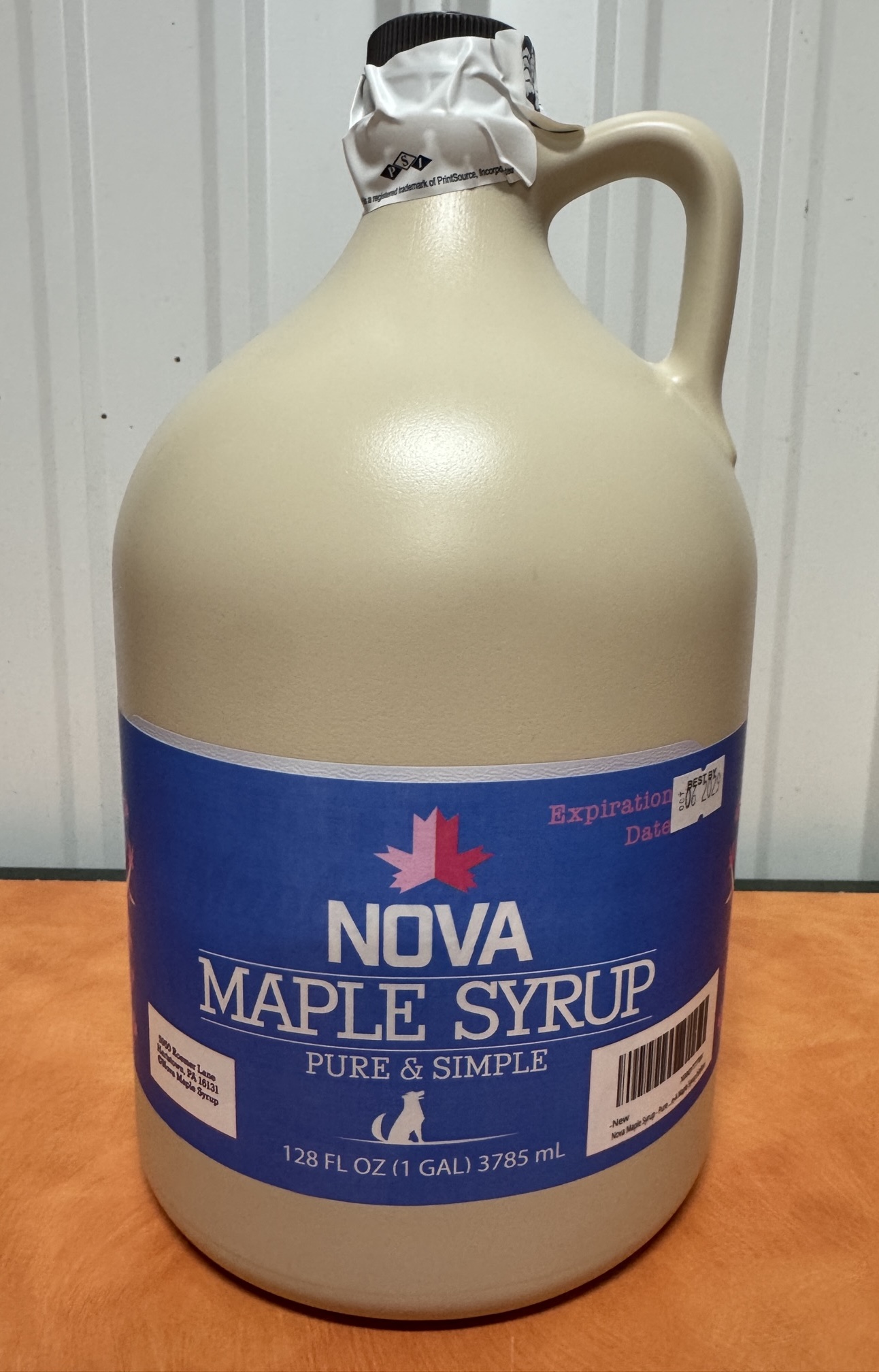
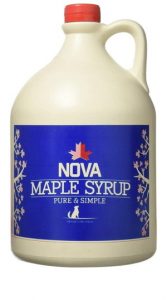
We’re now running low on our usual gallon jugs. If you order a gallon between now and the end of the year, it may arrive in a generic jug with a Nova Maple Syrup label we’ve printed ourselves.
Rest assured, the syrup inside is the same syrup you know and love. We’ll use this temporary packaging until our jug order is produced and shipped to the United States. For now, we still have plenty of our usual packaging in the other sizes.
Thanks for your patience and continued support as we work through these changes!